
Resonance of Fate Money Farming: Methods and Caveats
Compare Resonance of Fate money farming approaches, understand the old resale exploit conflict, and choose documented options without promised hourly income.
On this page
- Start with the purchase you need to fund
- Why the old resale advice needs a version warning
- Consider repeatable drops as a documented alternative
- Read the preparation conditions before the result
- Compare ordinary rewards and saleable items
- Keep components you intend to use
- Do not confuse cash farming with leveling
- Treat double speed as convenience, not a profit claim
- A practical money-farming checklist
- A specific Steam farming example
- Sources and conflict handling
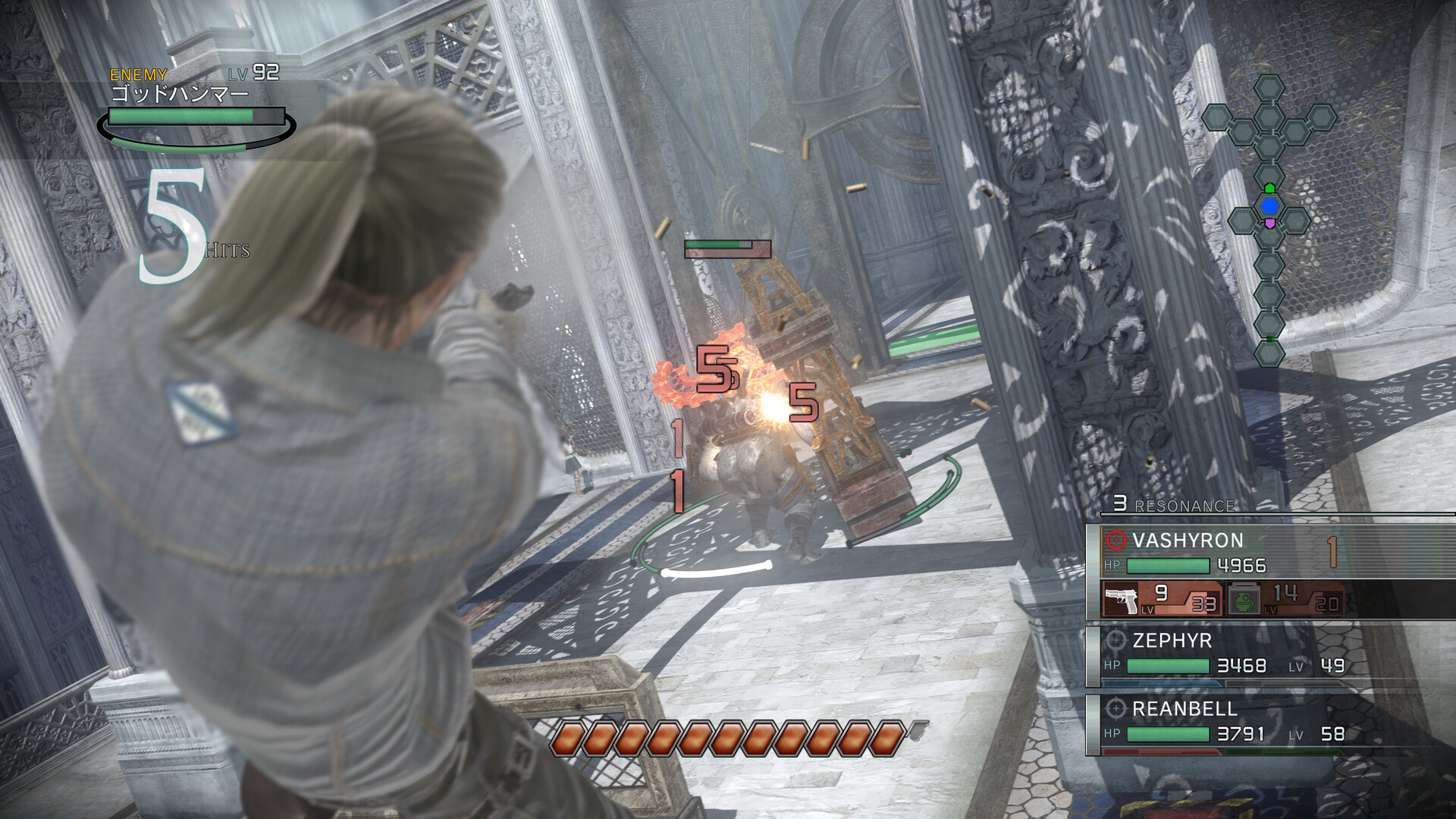
Start with the purchase you need to fund
Money is useful when it supports a concrete next step, such as preparing equipment, rather than becoming an endless target without a purpose. The collected research identifies weapon customization as an important part of combat effectiveness, so determine which available improvement you are actually trying to afford. A named purchase gives a farming session a stopping point and makes it easier to judge whether the method was worthwhile.
This is an editorial budgeting suggestion, not an invented price list for every weapon part or chapter. The collected material does not provide a verified current shop table, so this guide does not assign a fictional total cost to your next build. Check the price in your own edition and keep the distinction between money, required components and access to the relevant option.
Why the old resale advice needs a version warning
An older PlayStation roadmap describes profit from crafting and selling Compact Scope Beta, which has circulated as a money trick. A later Steam community guide says the older buying-and-selling exploit was removed in the PC version, creating a direct reason not to present the method as universal. This page preserves that conflict instead of choosing the more attractive promise and hiding the incompatible source.
The practical conclusion is limited: the old console instructions are not a verified guarantee for Steam or Enhanced Remaster. Whether a particular current platform still permits the same transaction remains 待确认 unless matching-version evidence demonstrates it. Do not spend resources on the assumption that a historical infinite-money headline must apply to the game in your library.
Consider repeatable drops as a documented alternative
The collected Steam farming guide discusses selling drops from repeatable battles as an alternative to relying on the older resale exploit. It specifically describes animal encounters and meat drops in its own late-game preparation context, rather than promising a universal opening-hours income method. That makes it useful evidence of an approach players used, while still leaving current efficiency and availability to be checked.
When evaluating a drop-based method, distinguish what the source actually demonstrates from a claim about guaranteed hourly income. A saleable item can be a real reward without supporting an exact profit rate for every build, platform and progression state. This guide therefore does not invent a drop chance, a fixed number of rubies per minute or an automatic best encounter for all players.
Read the preparation conditions before the result
The Steam guide is written for late-game players and includes Arena and terminal preparation before discussing its farming suggestions. A player who copies only an encounter name may be omitting the conditions under which the original author was gathering resources. Check whether your story progress, available fights and world-map setup match the source before expecting a comparable result.
If those requirements are not available yet, treat the method as a later option rather than a reason to force an impossible route. The Arena page explains that access changes with progression, while the terminal page distinguishes map connections from simply reaching a location. Neither page promises that every late-game preparation step can be reproduced at the beginning of a playthrough.
Compare ordinary rewards and saleable items
The collected Arena references describe battle rewards and Battle Coins, while the farming material discusses items that can be sold. Those are separate outputs, and they should not be collapsed into one unexplained cash figure. Identify which reward is actually motivating the battle before deciding whether the encounter addresses your money problem.
An editorial comparison can record the money you see, the useful items obtained and whether the battle also consumes resources you need elsewhere. Such a record is a personal observation rather than a published guarantee for every player. If you cannot explain how the proposed route produces spendable money, avoid repeating it merely because its title includes the word farming.
Keep components you intend to use
The supplied customization research makes clear that attachments and firearm preparation matter, while the resource guide separately discusses materials for crafting. That creates a practical reason to review an item's intended use before selling everything collected during a farming session. A short-term increase in cash is not automatically useful if it prevents the equipment improvement you were trying to fund.
This is a conservative planning recommendation rather than a claim that a specific item is permanently missable or that every drop is needed later. The collected material does not provide a complete safe-to-sell list for Enhanced Remaster. If an item has an unverified future use, mark that question 待确认 and consult a matching-version reference instead of treating this page as blanket permission to sell it.
Do not confuse cash farming with leveling
The Steam resource guide treats money, experience, weapon parts and Energy Hexes as related but distinct goals. A battle selected for saleable rewards is not automatically the best encounter for the weapon proficiency you want to improve. Decide whether the immediate obstacle is the ability to afford an upgrade or the ability to execute a battle plan.
If the problem is weapon performance, also review the charging and attachment concepts in the customization guide. If it is proficiency, use the leveling guide to understand what you are training. Keeping these goals separate prevents an unsupported promise that one repeated fight solves every resource constraint simultaneously.
Treat double speed as convenience, not a profit claim
The collected enhancement research confirms a double-speed option for exploration, battles and events. That does not establish a new sale price, a higher drop probability or a guaranteed multiplication of money earned per hour. Any comparison of efficiency would still depend on the route, equipment, preparation and interruptions actually measured.
Use the option when you are comfortable with the battle sequence rather than assuming faster animation makes an unreliable method profitable. A repeatable approach that you understand is easier to evaluate than a flashy clip with no edition label or reward explanation. Current Enhanced Remaster profit benchmarks remain 待确认, so no invented income table appears on this page.
A practical money-farming checklist
Before starting, identify the purchase, confirm that the required shop or crafting option is available and choose a documented reward source your campaign can access. During the session, distinguish cash from materials you plan to keep and check whether the original goal has already been reached. Afterward, revisit the equipment problem rather than continuing to accumulate resources without a defined use.
When a method fails to behave like its source, compare editions and preparation conditions before repeating the same transaction at greater cost. The explicit exploit conflict is a reason to investigate version differences, not a reason to invent a replacement loophole. There are no verified redemption codes or free-money codes in the collected research, and this guide does not manufacture any.
A specific Steam farming example
The 2020 Steam guide suggests animal encounters in Arena ranks 25, 26 or 30 for meat drops to sell. These are that author’s PC-version examples, not a measured Enhanced Remaster profit ranking. Compare access and actual sale results before adopting the route.
Sources and conflict handling
The legacy trophy roadmap records the historical resale advice, while the Steam resource guide reports the PC difference and discusses drop-based alternatives. The collected game research provides the customization and enhancement facts used for context. These sources are intentionally presented with their version limits rather than blended into a false claim that one exploit has been verified everywhere.
Related pages
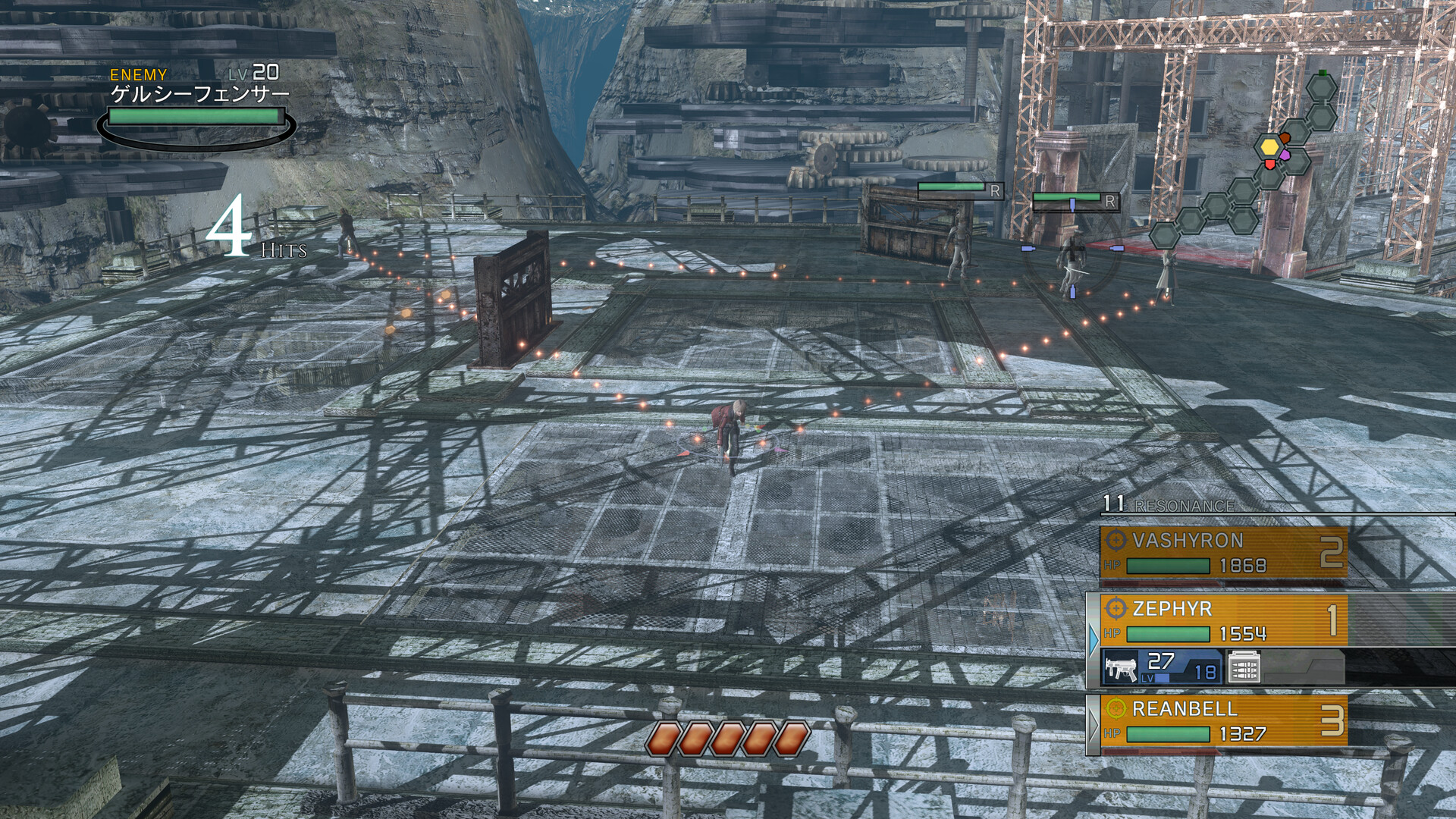
Resonance of Fate Arena: Ranks, Rewards and Preparation
Explore Resonance of Fate Arena progression, chapter gates, Battle Coins and completion goals, while distinguishing old guide data from remaster testing.
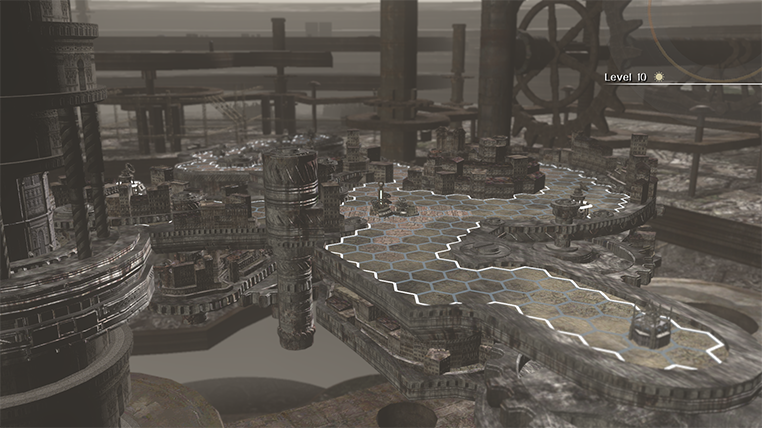
Basel Map Guide
Learn how to explore Basel using the game's distinctive hex-based world map system. Understand how map exploration connects with unlocking areas, discovering locations, and progressing through the story.
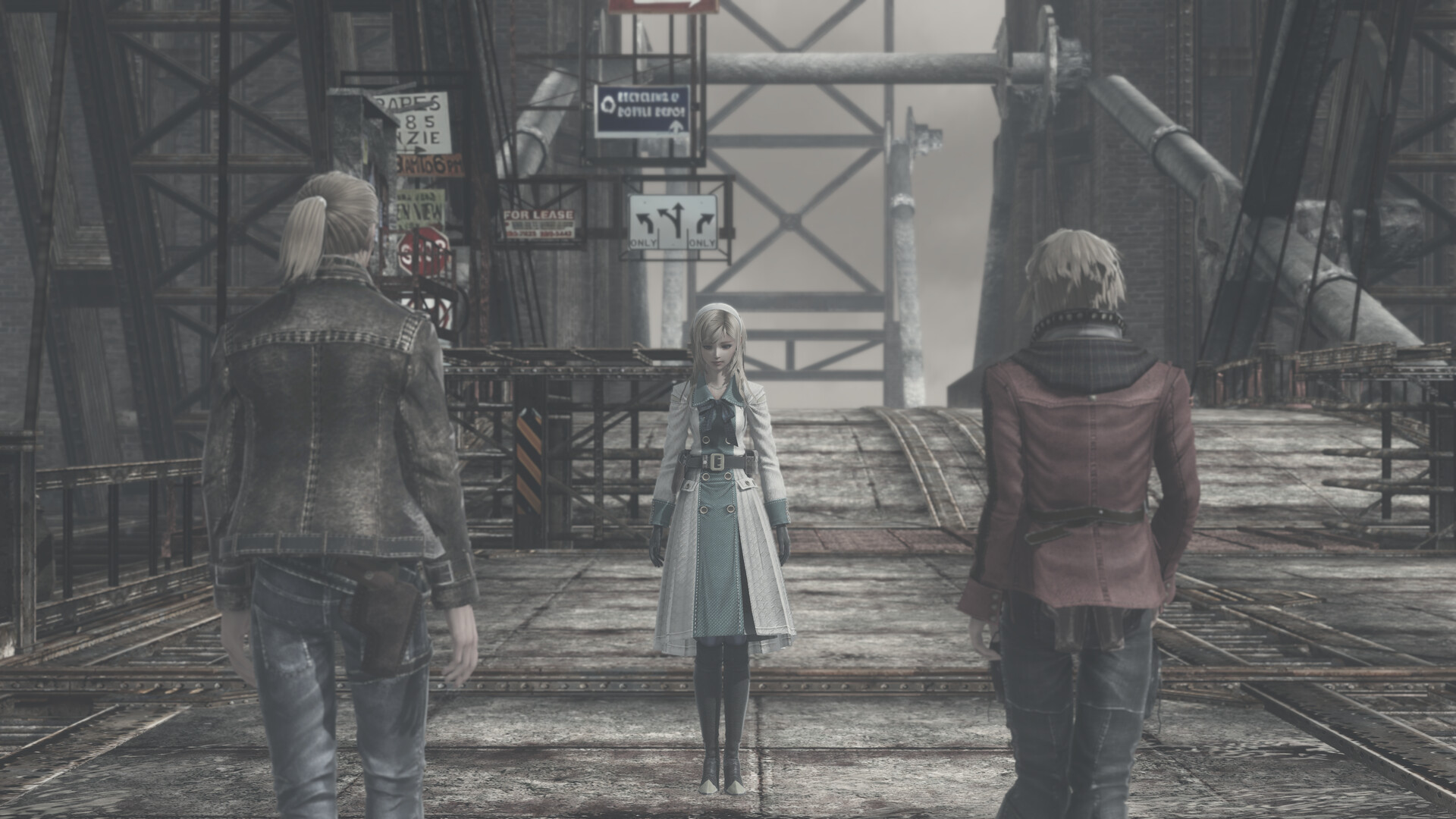
Beginner Guide
Start your journey through Basel with an introduction to the game's unusual gun-based combat system. Learn how to approach early battles, use Hero Actions, and prepare your party for increasingly difficult encounters.