
Resonance of Fate Walkthrough: Story and Mission Route
Use this Resonance of Fate walkthrough to plan story progress, prepare for battles, finish side quests and check late-game tasks before the finale.
On this page
- Identify your edition before following a route
- Learn the battle loop before chasing experience
- Use the current mission to guide exploration
- Finish optional work before changing chapters
- Improve weapons when progress becomes difficult
- Keep farming tied to a specific obstacle
- Pause before the final sequence
- Choose the next guide by the problem you face
- Historical chapter structure
- Sources and version scope
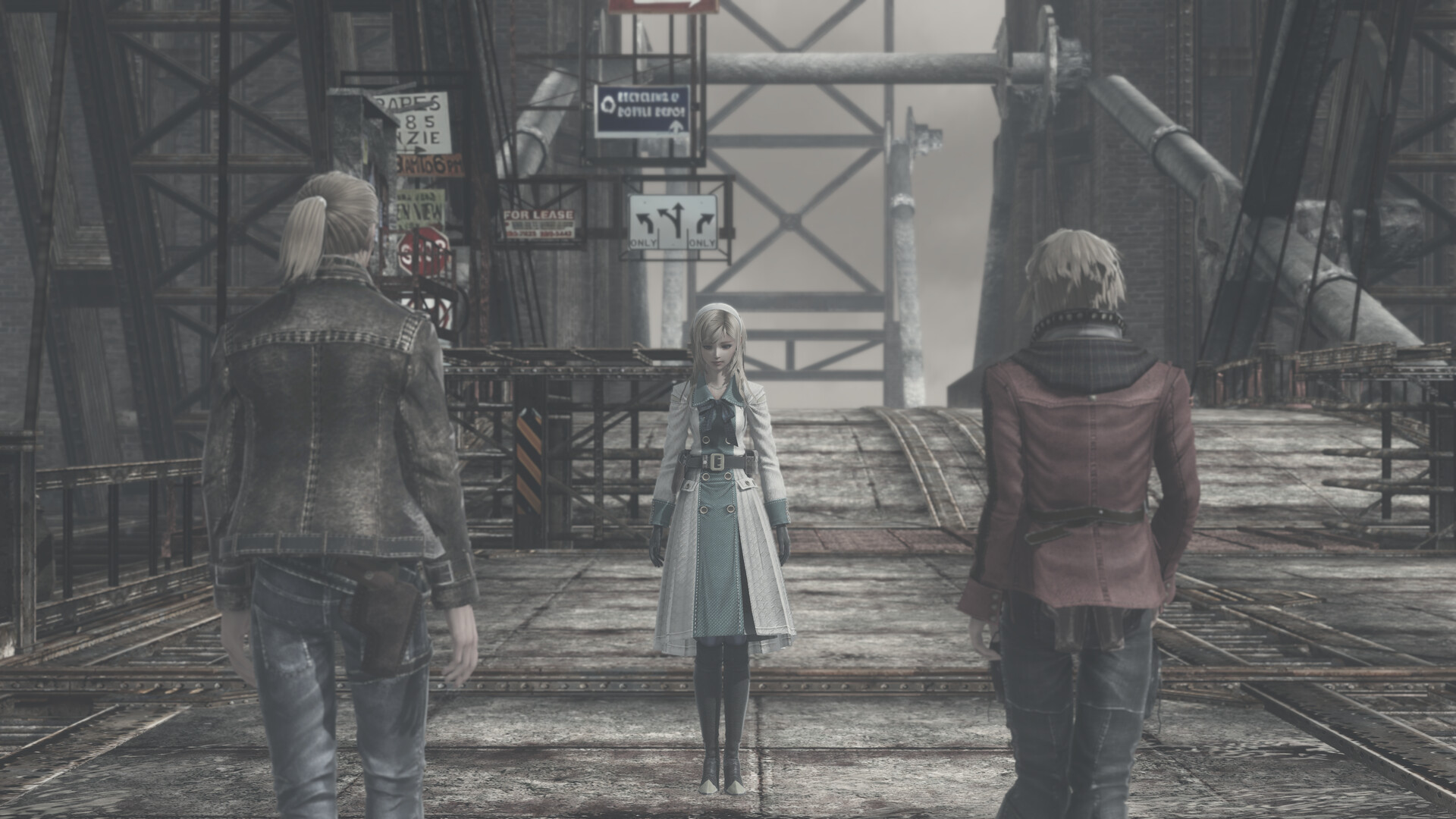
Identify your edition before following a route
The story and systems discussed here belong to Resonance of Fate, also known as End of Eternity, with Enhanced Remaster treated as the current presentation upgrade. The collected research identifies the Steam enhancement as paid DLC requiring the 4K/HD Edition base game, so buying the upgrade alone is not a starting point for a new player. Confirm the title in your library before using advice about menus, platform achievements or purchase options.
Older walkthroughs remain useful for understanding the original progression structure, but their publication date matters whenever they discuss exploits or platform-specific rewards. A PS3 trophy roadmap, an Xbox achievement route and a Steam farming guide are evidence for different editions rather than interchangeable proofs of current behavior. Exact Enhanced Remaster quest changes, if any, are 待确认, so this page labels inherited guidance instead of promising a freshly verified campaign solution.
Learn the battle loop before chasing experience
Begin with the distinction between scratch damage and direct damage, because a battle can look productive while leaving the enemy alive. The supplied combat research describes machine guns as the source of temporary scratch damage and handguns as a way to convert it into actual HP loss. That relationship is a more useful first lesson than copying a late-game character level or assuming every weapon should attack in the same order.
Use the Arena tutorial material to understand Hero Actions and practice positioning before treating every encounter as a race to spend resources. Hero Actions consume bezel resources, while coordinated attacks depend on the party's movement and Resonance system. When a fight stops making sense, return to the combat guide and identify the missing mechanic before deciding that several hours of leveling are necessary.
Use the current mission to guide exploration
The older Neoseeker walkthrough describes a chapter-based structure in which story requests lead the mercenary team through Basel and into combat areas. Energy Hexes are part of opening access to the world map, so accepting an objective and understanding the route belong to the same preparation step. Read the mission destination before spending map pieces simply because an unopened area is visible nearby.
A useful editorial approach is to keep the current objective, the required destination and your available map pieces in view together. This is a planning suggestion rather than a claim that there is one mandatory arrangement for every player's map. If a guide illustrates a route using pieces you do not yet own, compare the chapter and the unlock conditions instead of assuming your game is broken.
Finish optional work before changing chapters
The most important progression warning in the collected walkthrough material concerns side quests and chapter transitions. Neoseeker states that ending a chapter cancels side quests still in progress, while the older trophy roadmap connects mission completion with a completion objective. Treat that warning as a reason to inspect the mission board and active requests before choosing to move the story forward.
Do not equate accepting a request with finishing it, and do not assume a completed battle automatically resolves every client interaction. The older roadmap describes requests that involve speaking to the client, while other objectives can lead directly to a target location. The side-quest page explains this distinction without inventing a complete quest-by-quest checklist for the new release.
Improve weapons when progress becomes difficult
Your party's effectiveness depends on more than a displayed character level, which is why weapon preparation belongs in a story walkthrough. The supplied customization research distinguishes initial charge speed, later charge acceleration, ammunition capacity and the arrangement of connected parts. Those are separate things to inspect when a familiar damage sequence no longer finishes a dangerous enemy.
An advanced screenshot is not necessarily an appropriate build for your current chapter, because available parts and equipment constraints can differ. Review the components you can actually craft or attach, then decide which limitation is affecting the next encounter. Use the gun customization guide for the underlying concepts rather than expecting an unverified universal best build to solve every mission.
Keep farming tied to a specific obstacle
Grinding is easier to evaluate when you can name what the party lacks, such as weapon proficiency, money for parts or a particular color of Energy Hex. The collected Steam farming guide is written for late-game preparation, including players approaching Neverland, and should not be read as an opening-hours requirement. Reaching a high Arena rank is a progression condition in that guide rather than a shortcut available at the beginning.
Before repeating battles, decide whether the goal is experience, saleable drops, components or map pieces, because those goals can point to different enemies. Historical advice about buying and reselling crafted scopes also conflicts with later Steam reports, so it is excluded as a guaranteed money route. The dedicated leveling and money farming pages separate these purposes and identify their version limits.
Pause before the final sequence
The older completion roadmap describes optional late-game work that should be considered before finishing the story and replacing your active progress with clear data. Neverland access is associated with Black Hexes obtained late in the final chapter, while additional Arena ranks also depend on late story progress. These are reasons to review unfinished objectives before committing to the finale, not evidence that you must attempt every challenge immediately.
This section deliberately avoids turning the ending into a spoiler-heavy boss list, since the search intent here is a usable progression overview. If you want the access details, open the Neverland guide and read its spoiler warning first. Save-conversion behavior, remaster-specific completion changes and automatic trophy transfers are 待确认 and are not prerequisites this walkthrough asks you to trust.
Choose the next guide by the problem you face
If enemies survive apparently successful attacks, investigate damage conversion and weapon charging before seeking an unrelated campaign detour. If a destination is inaccessible, inspect Energy Hex requirements and the map rather than assuming a hidden boss is required. If you are approaching a chapter boundary or the ending, check unfinished missions and optional objectives while those decisions are still easy to review.
The purpose of this route is to connect the game's documented systems without inventing precise chest positions, mandatory levels or guaranteed completion times. A complete Enhanced Remaster room-by-room route remains 待确认 until matching-version evidence supports those details. For now, use the specific pages linked above and compare any historical instructions with the edition actually running on your platform.
Historical chapter structure
The older Neoseeker route covers sixteen chapters and describes returning to the home base in Ebel City to end a chapter. Its warning about the home-base chalkboard is specific: advancing the chapter cancels side quests still in progress. Use that documented review point before selecting the transition, while keeping any Enhanced Remaster changes marked 待确认.
Sources and version scope
The developer website establishes the game and its major systems, while Neoseeker's walkthrough supplies the older chapter structure and side-quest warning. The collected story walkthrough and legacy completion roadmap provide historical progression context. Read these as sources for the versions they describe; this page's planning recommendations do not turn them into a claim of new Enhanced Remaster playtesting.
Related pages
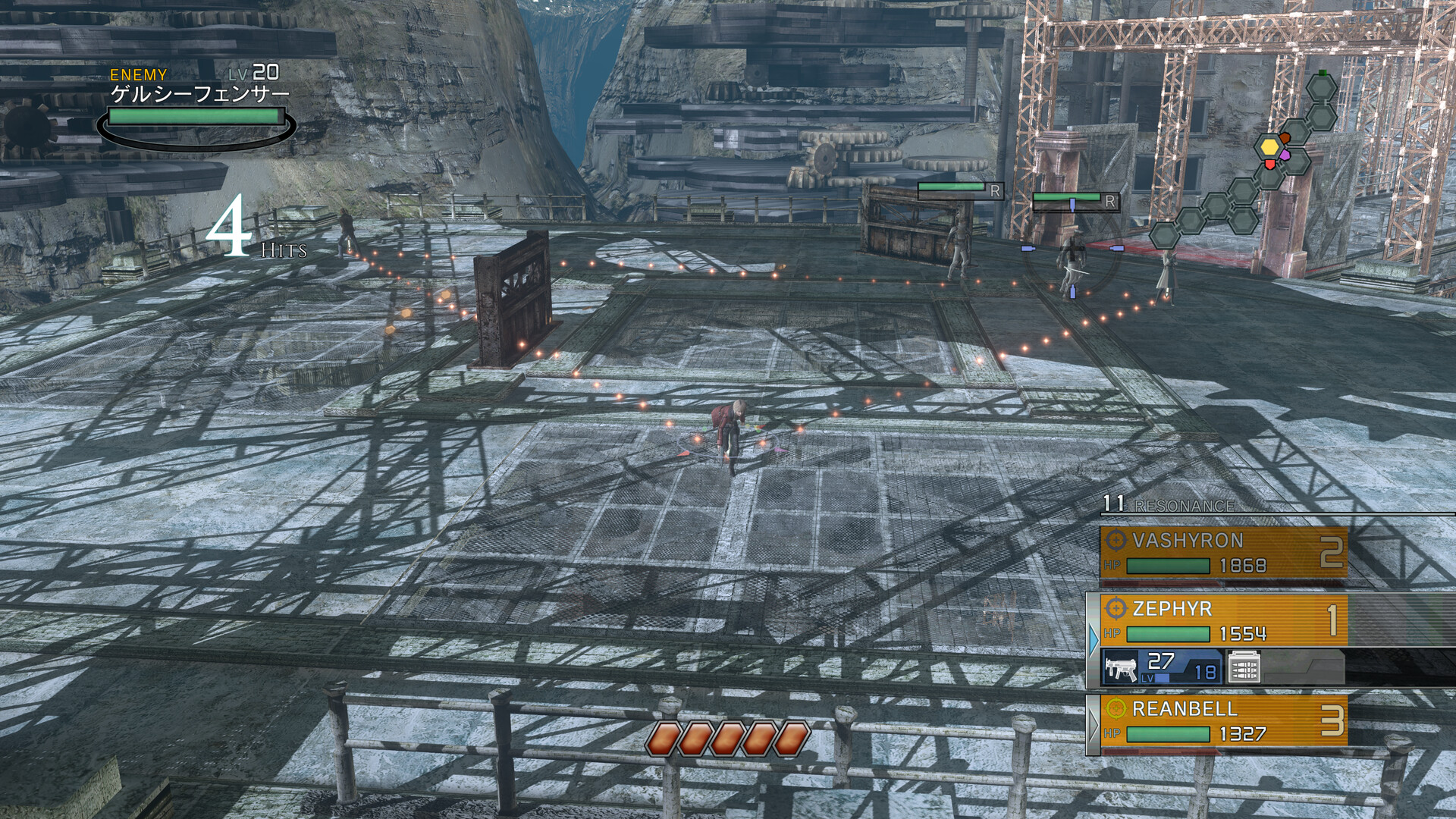
Resonance of Fate Arena: Ranks, Rewards and Preparation
Explore Resonance of Fate Arena progression, chapter gates, Battle Coins and completion goals, while distinguishing old guide data from remaster testing.
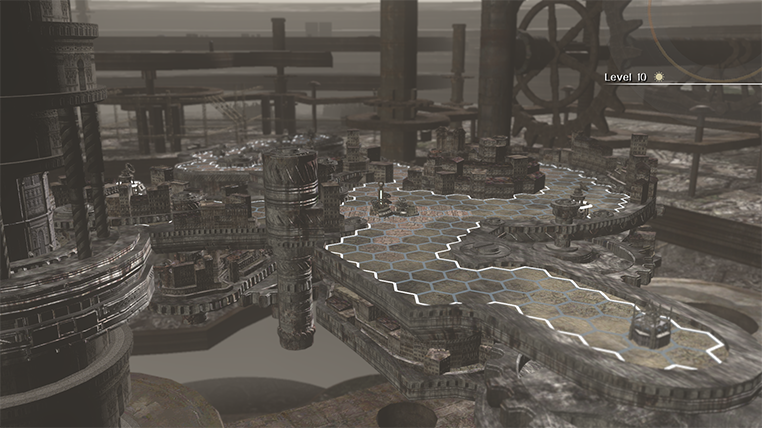
Basel Map Guide
Learn how to explore Basel using the game's distinctive hex-based world map system. Understand how map exploration connects with unlocking areas, discovering locations, and progressing through the story.
Beginner Guide
Start your journey through Basel with an introduction to the game's unusual gun-based combat system. Learn how to approach early battles, use Hero Actions, and prepare your party for increasingly difficult encounters.